Citizens Against Model Aircraft
RPAS VICTIMS ASSERTION OF RIGHTS
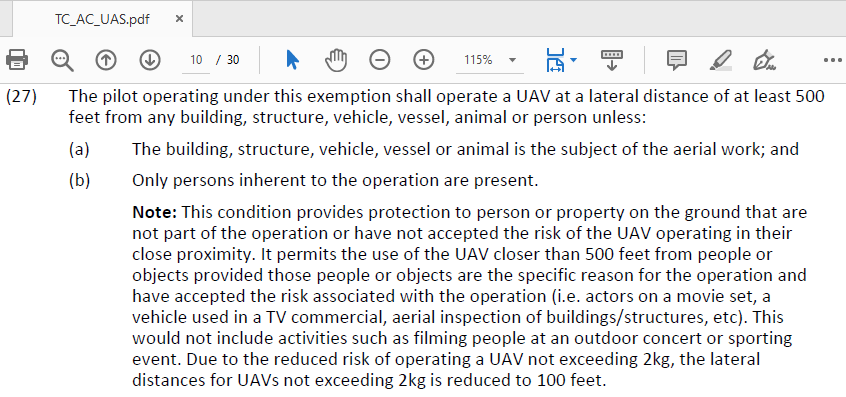
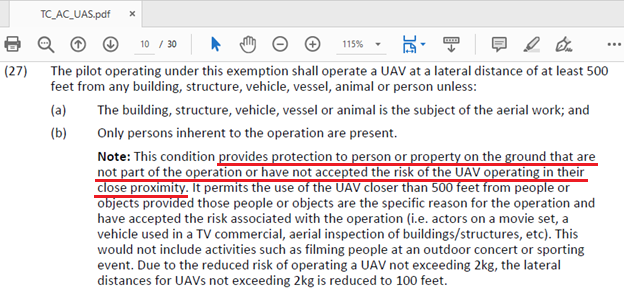
Reinstitute the requirement for a 150 meter (500 feet) lateral distance from the general public, bystanders and people not associated with the operation of recreational RPAS.
Reinstitute the requirement for a 150 meter (500 feet) lateral distance from the buildings, structures, vehicles as persons on the ground not part of the operation of recreational RPAS have not accepted the risk of the operation in their close proximity.
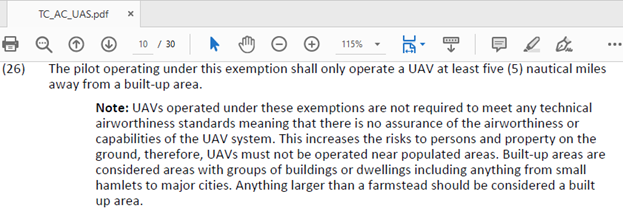
Reinstitute the requirement for RPAS to maintain a 5 nautical mile (9.26 km) distance from a built up area.
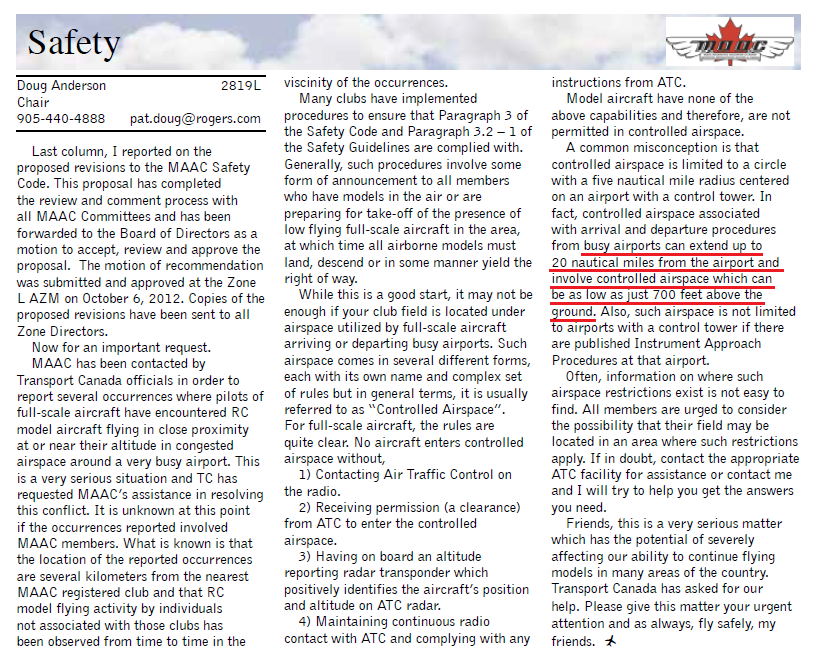
Reinstitute the requirement for recreational RPAS to maintain a 5 nautical mile (9.26 km) distance from the center of an aerodrome.
Reinstitute the requirement for recreational RPAS operation to be a maximum distance of 0.25 nautical miles from the operator.
Reinstitute the requirement for recreational RPAS operation to be at a maximum altitude of 300 feet AGL.
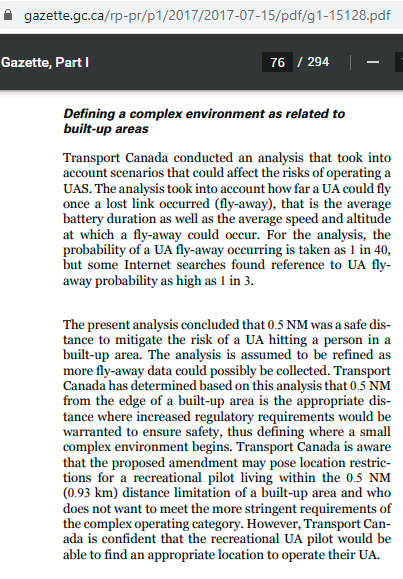
Reinstitute the requirement of a safe distance as 0.5 nautical miles (0.93km) based on the 29mph (46kph) risk of uncontrolled fly away recreational RPAS.
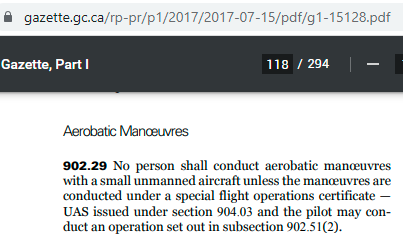
Reinstitute the requirement prohibiting aerobatic maneuvers with recreational RPAS.
Reinstitute the requirement prohibiting the operation of recreational RPAS at a ground speed greater than 25 knots (29 mph/46 kph).
Require that the operation of recreational RPAS be within the marked boundaries (identified by 8 foot red pole markers) of the site and include a buffer of 100 feet, between the boundary and the area of operation; failure to comply results charges/fines enforceable by local police.
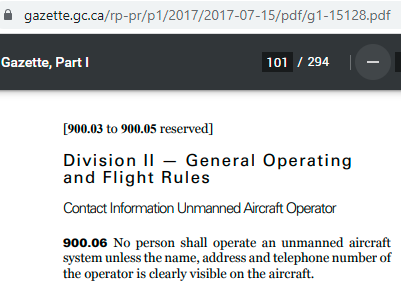
Reinstitute the requirement that prohibits the operation of recreational RPAS that does not clearly identify the name, address, and telephone number of the operator or provide identifying information which would allow for this information to be readily discoverable by the public.
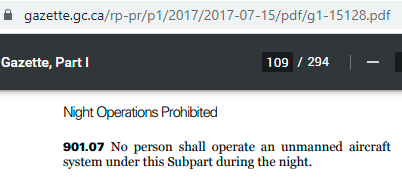
Reinstitute the requirement that prohibits the operation of recreational RPAS at night.
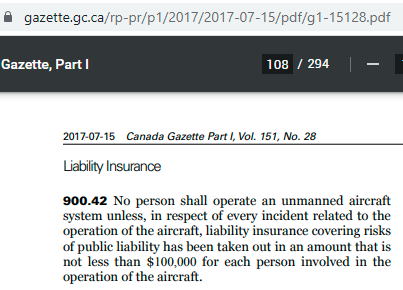
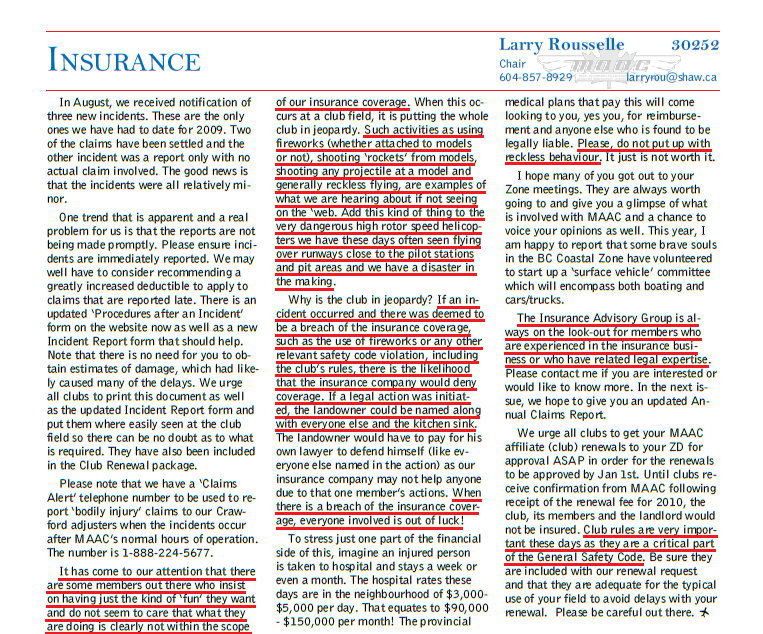
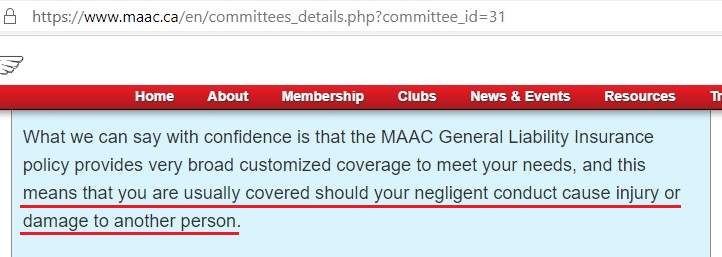
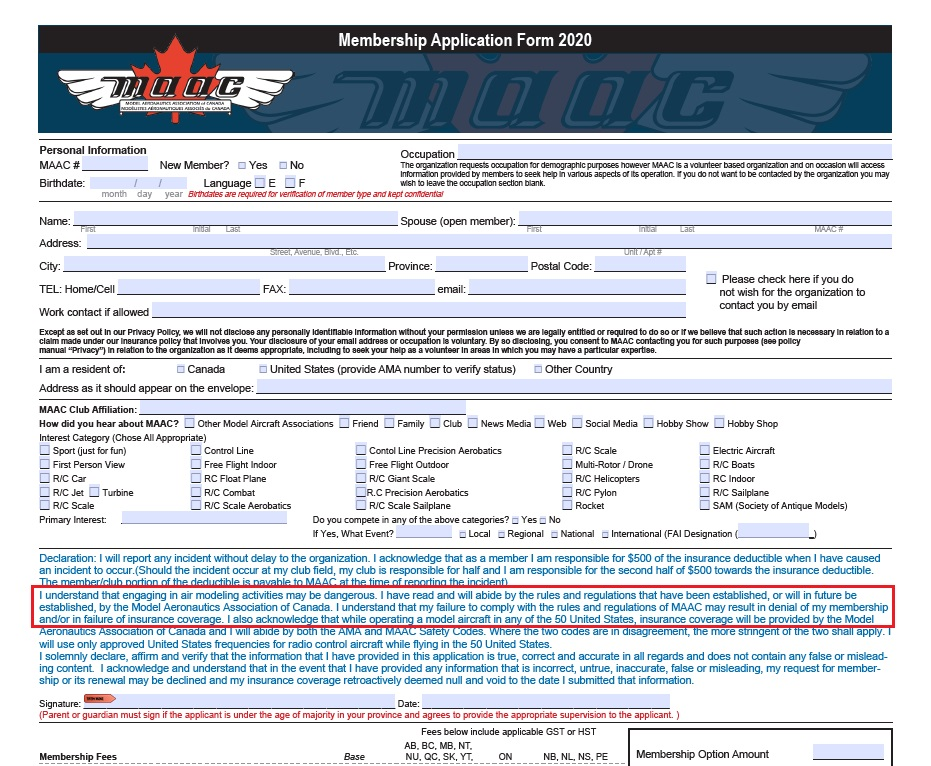
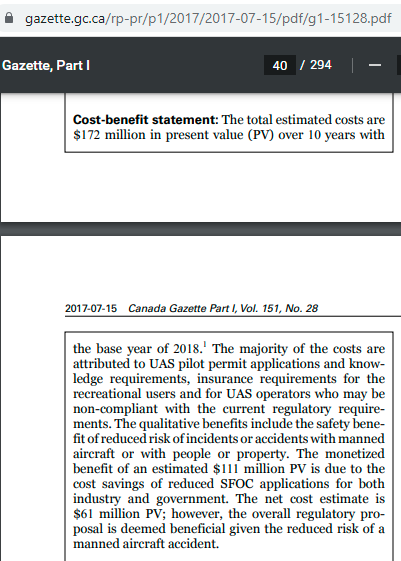
Reinstitute the requirement that all operators and people involved in the operation of recreational RPAS obtain liability insurance. Additionally, require that recreational RPAS liability insurance be at least $2,000,000.
Reinstitute the requirement that the recreational RPAS operation logs are maintained and include: the air time of each flight, the cumulative air time, the number of landings since manufacture, all repairs, all modifications and that the history be carried forward when the ownership of the recreational RPAS changes.
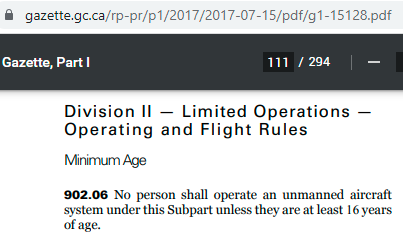
Reinstitute the requirement prohibiting the operation of recreational RPAS by a minor (aged less than 16 years of age).
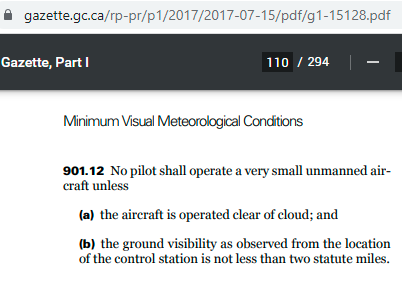
Reinstitute the requirement prohibiting the operation of recreational RPAS when there are clouds present and when visibility is restricted in anyway.
Require that the enforcement of reckless or negligent recreational RPAS operation is done by local police.
Require that the operation of recreational RPAS is within visual line-of-sight and is enforced by the police.
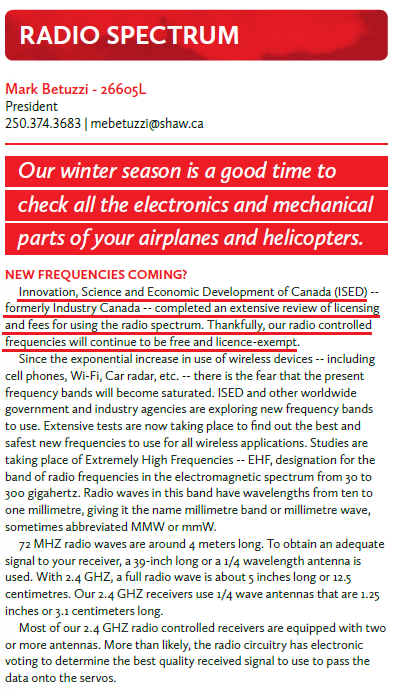
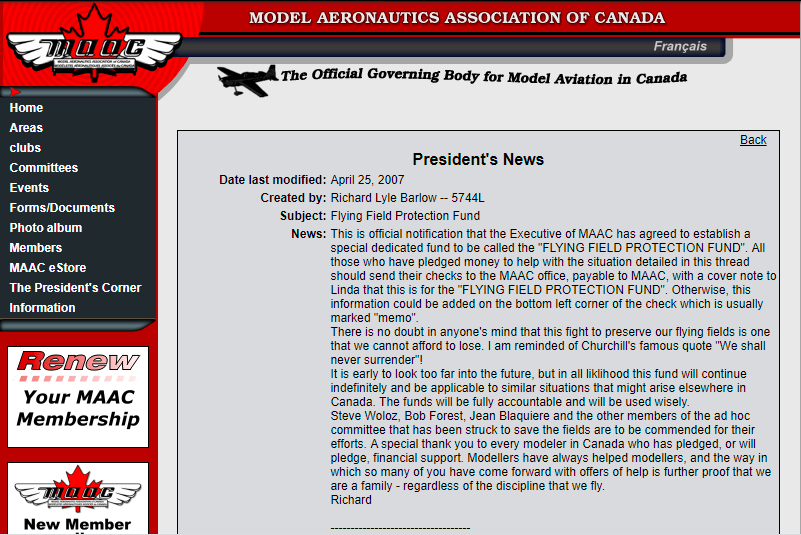
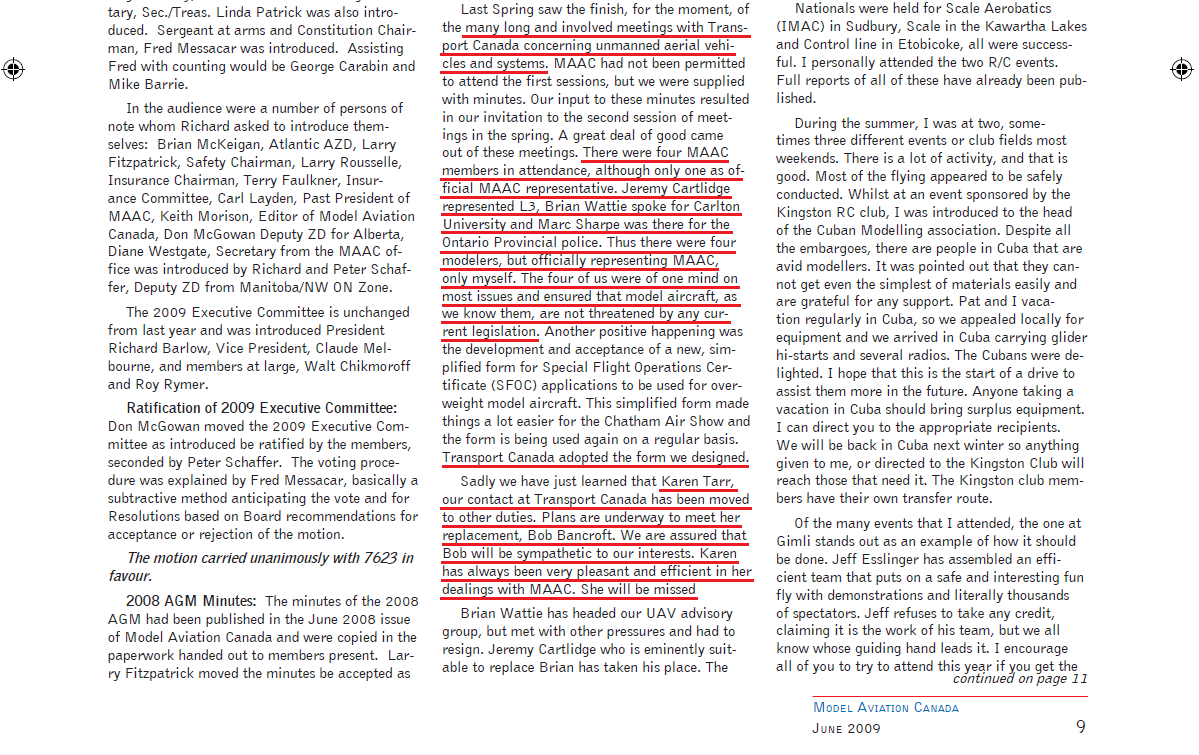
Safeguard the independence of the Innovation, Science and Economic Development Canada to stop the special privilege of protecting frequencies used by MAAC RC flying clubs.
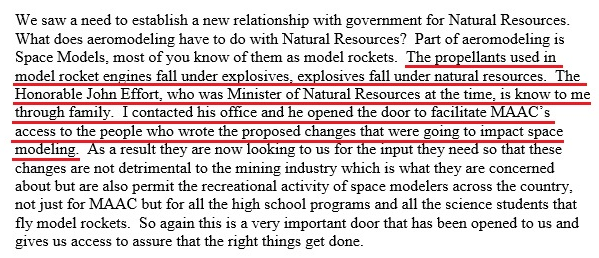
Safeguard the independence of Natural Resources Canada to stop the special privilege of permitting the use of explosives and combustibles at RC flying club sites.
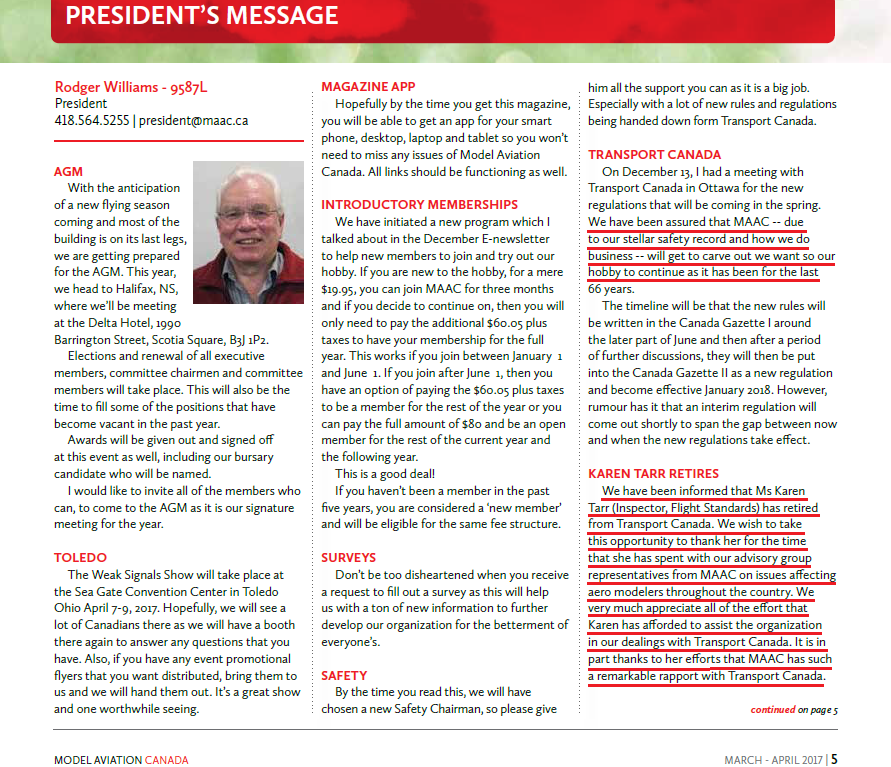
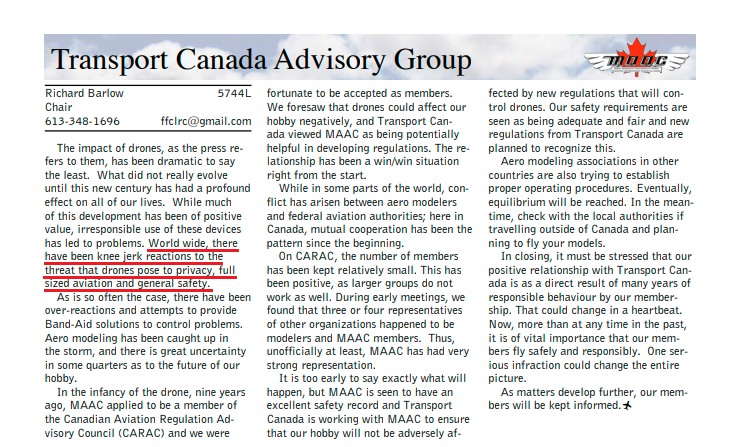
Safeguard the independence of authorities at Transport Canada requiring them to provide effective enforcement of RPAS regulations in order to protect Canadian citizens instead of giving recreational RPAS operators freedom from regulations and enforcement. Furthermore require Transport Canada to ensure that remedies are not limited to self enforcement by recreational RPAS operators and associations.
Safeguard the independence of Transport Canada Civil Aviation and the Transport Canada RPAS Task Force. Furthermore prohibit a position in the public service from potentially being used for personal gain or while having conflicting interests that may interfere with the discharge of their duties in order to protect the integrity in enforcement of the regulations.
Safeguard the integrity of recreational RPAS testing and re-establish the "difficulty standard," before it was modified by a MAAC member at Transport Canada.
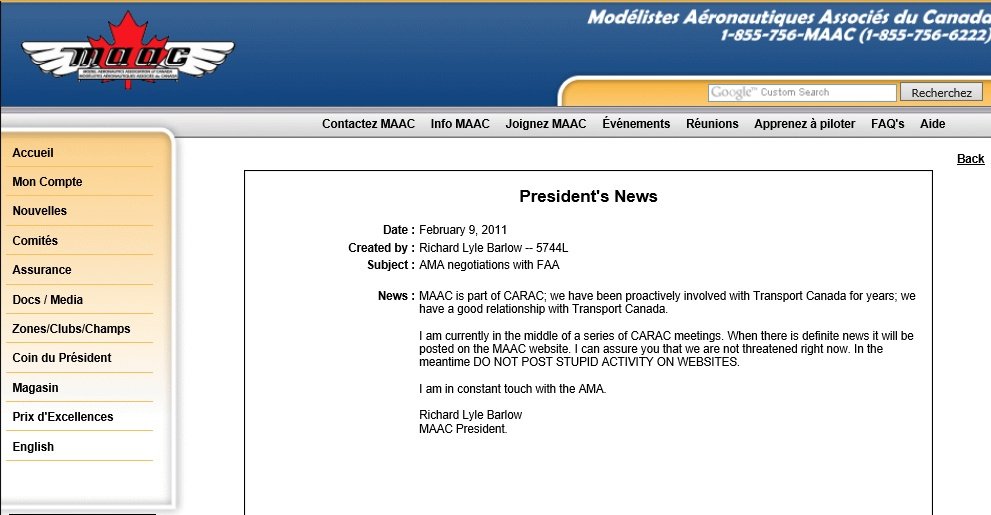
Safeguard Transport Canada's independence from recreational RPAS lobbying
Safeguard Transport Canada's independence in regulating recreational RPAS such that it is not based on friendships nor business interests.
Safeguard Transport Canada's commitment to protect Canadian citizens is not outweighed by the interest in RC flying club sites.
Safeguard Transport Canada's independence from the parties that benifit from the harm caused by the operation of recreational RPAS, provinding full transparency between Transport Canada and RC flying club lobbyists.
Police shall charge directors and executives of RC flying club sites when fraudulent misrepresentation of the area of RC flying club sites have occurred and shall have authority to immediately close RC flying club sites that cannot prove land access agreements for the land over which they operate and financially benefit from.
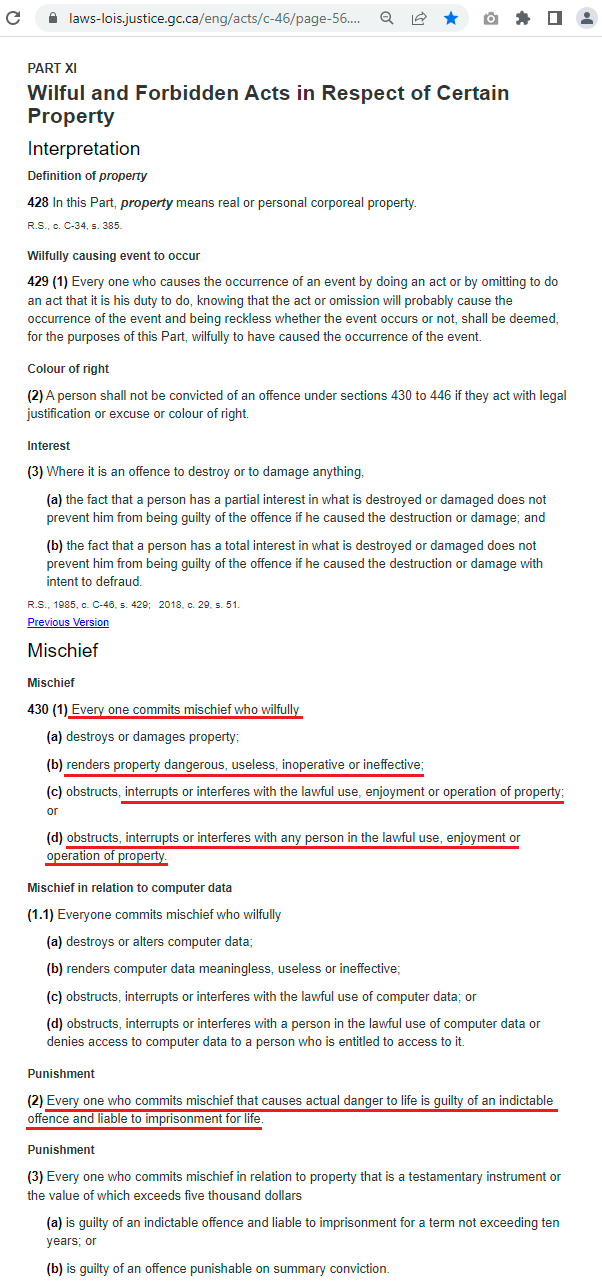
Police shall enforce nuisance, mischief, violence and harassment law where recreational RPAS is used to commit these offences whether criminal or not in nature.
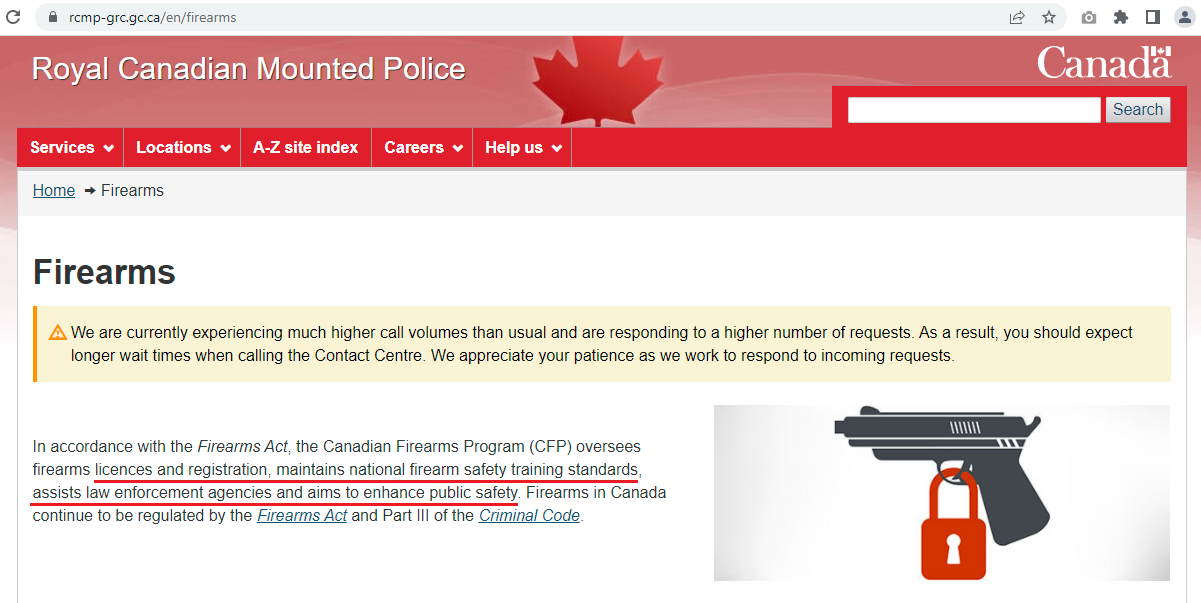
Police shall enforce RPAS laws outlined in CARS, impose fines on RPAS operators and RC flying clubs, seizure of RPAS, charge recreational RPAS operators for acts of violence, hate, mischief, negligence and harassment using RPAS.
Police shall enforce speed limits of recreational RPAS and require RPAS operators to produce proof that the recreational RPAS operated conforms to the maximum speed permitted for that site.
Safeguard public institutions from actions designed to manipulate and influence elected officials and enforcement authorities by requiring all conflict of interests, contacts, relationships be publicly disclosed, documented and prohibit recreational RPAS operators from being involved in RPAS regulation decisions.
Prohibit recreational RPAS lobbyists from having closed door meetings with law makers, legislators and authorities.
Prohibit recreational RPAS operation within the boundaries of the City of Ottawa, Canada’s National Capital.
Prohibit the anonymous operation of recreational RPAS; before operating RPAS require the time, location, RPAS description and operator identification to be logged on a publically accessible database providing the pubic with information as to who is operating what, where and the RPAS operator must wear a name tag and identify himself if asked.
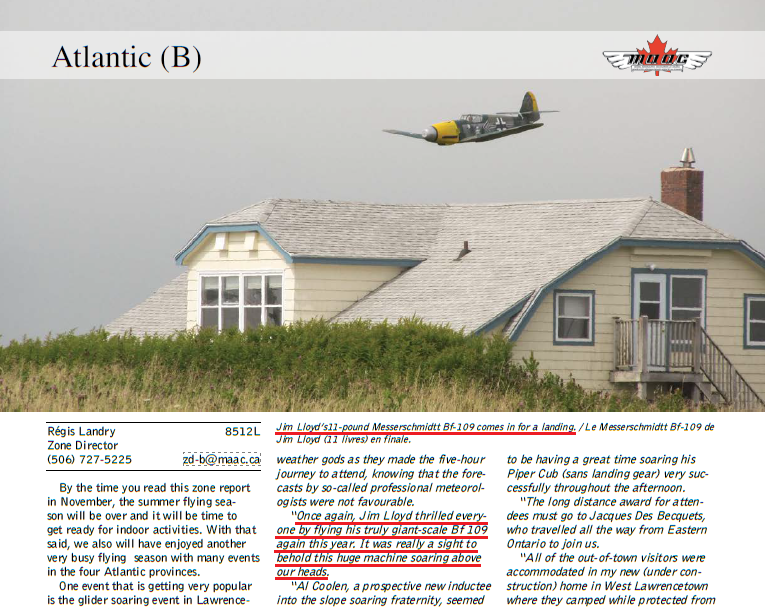
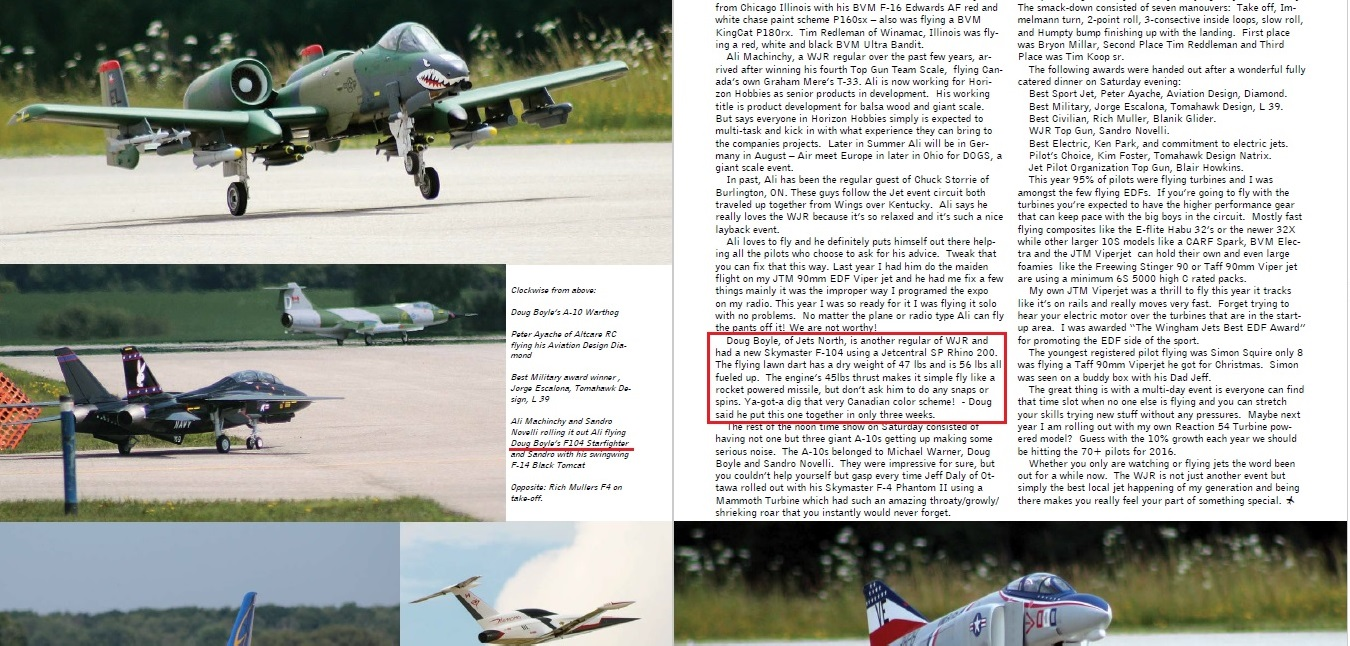
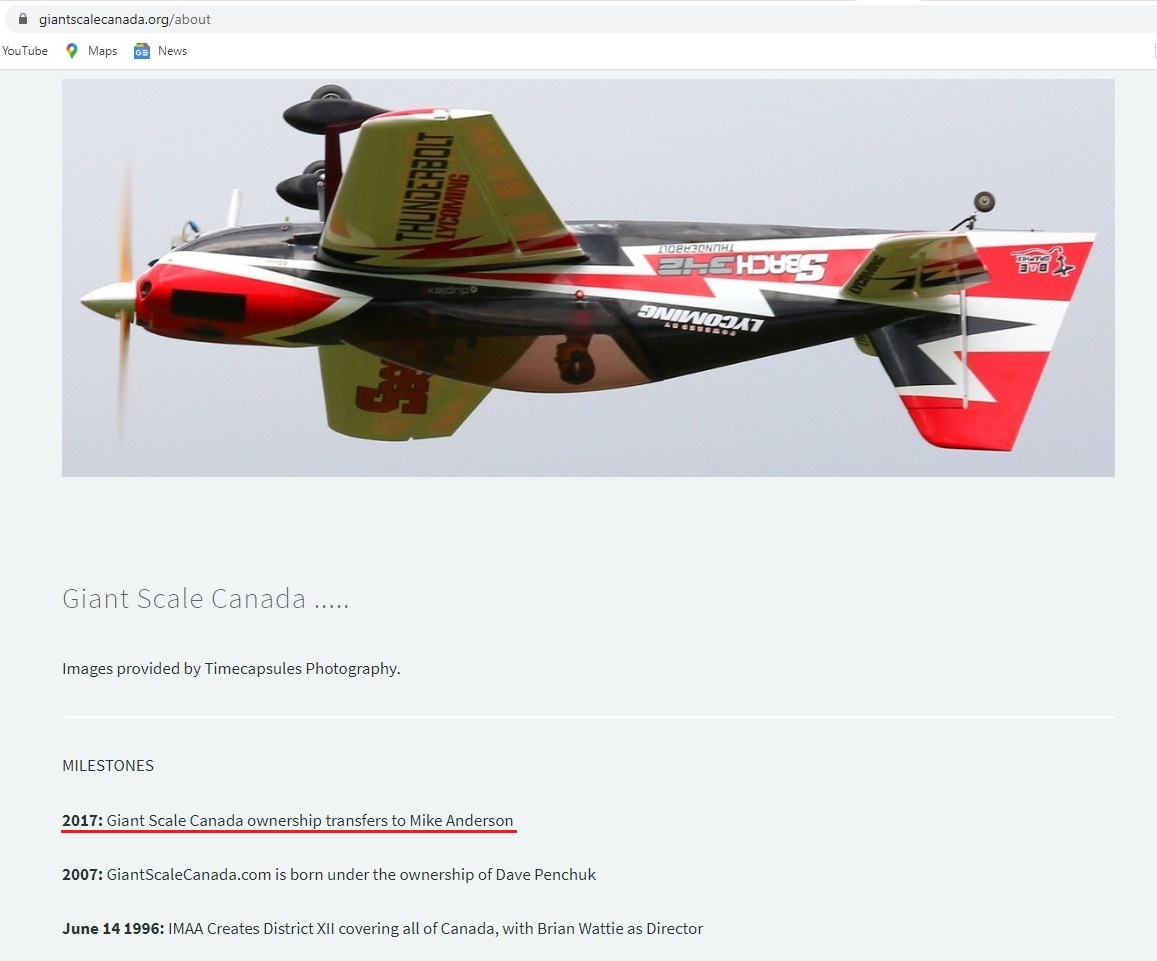
Prohibit the operation of 100 lb experimental RPAS at RC flying clubs.
Prohibit the operation of recreational RPAS at locations that do not meet the safe distance requirements; RC flying clubs, phantom clubs, private sites, backyards beside residents, public area spaces and public parks.
Prohibit the recreational operation of all RPAS for 12 hours following the use of drugs or consumption of alcohol, prohibit the operation of RPAS at locations where drugs and alcohol are consumed or permitted to be consumed, and require enforcement by the local police.
Prohibit the operation of all recreational RPAS during rain, fog, between the hours of 5pm and 10am, during weekends, public holidays and fire bans.
Prohibit the recreational use of recreational RPAS from operating with a payload and from dropping objects.
Prohibit the operation of large recreational RPAS and the issuance of SOFC for recreational operation purposes.
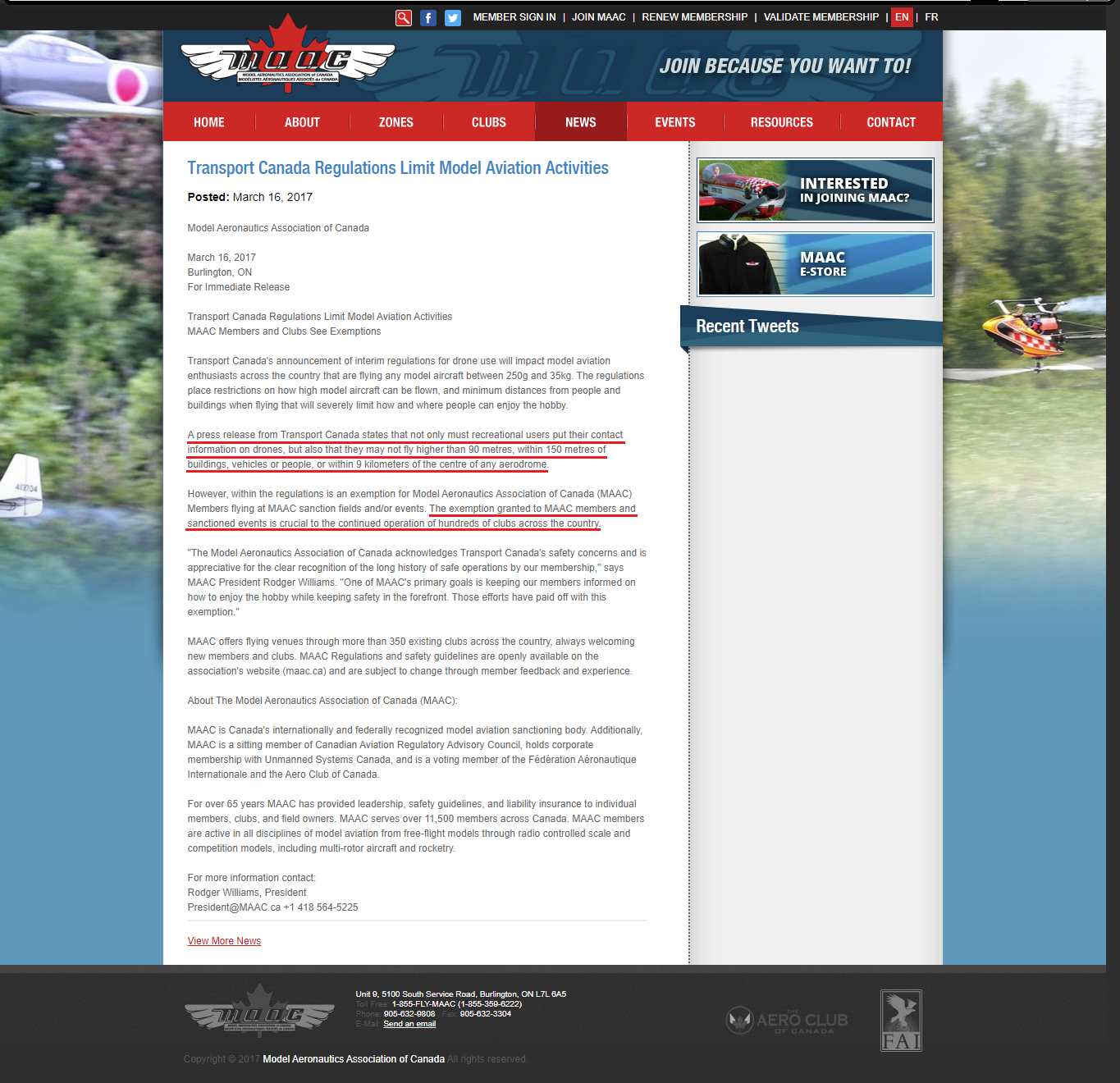
Prohibit Transport Canada from granting exemptions to the recreational RPAS lobbyists, MAAC or any other recreational RPAS organization.
Require all recreational RPAS weighing over 1 kg (2.2 lb) or having a dimensional size of over 1 meter to require registration in a publically accessible national database and require the operator to have a permit.
Require all minutes of meetings with government officials be published including all attendees. Furthermore require a 10 person committee of residents neighbouring RC club sites (who are independent of club operations) in all negotiations that include an RC flying club lobbyist or recreational RPAS operator.
Require all RC flying clubs to obtain and maintain an authorization waiver from residents within 1250 meters (approximately 4000 feet) radius of club sites and close clubs that cannot acquire a waiver from all residents.
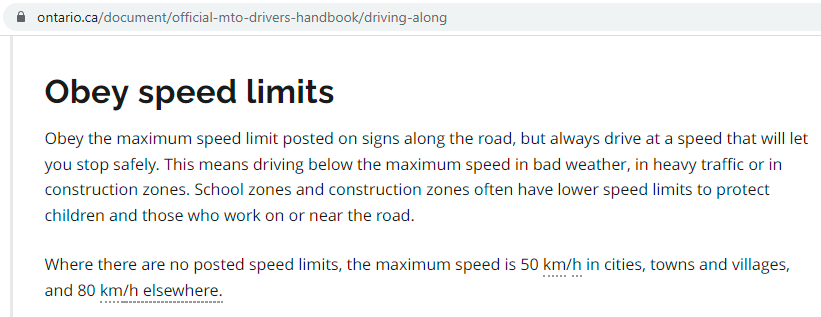
Require all that in all cases, recreational RPAS to be operated never surpass the lowest speed limits of the adjacent roadway.
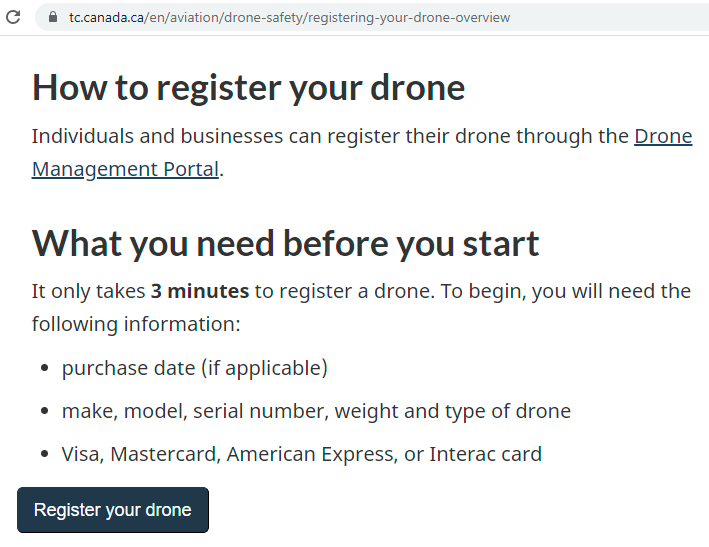
Require all recreational RPAS be marked with a registration number and owner information; requiring all RPAS to be registered such that they can be looked up on a public registry.
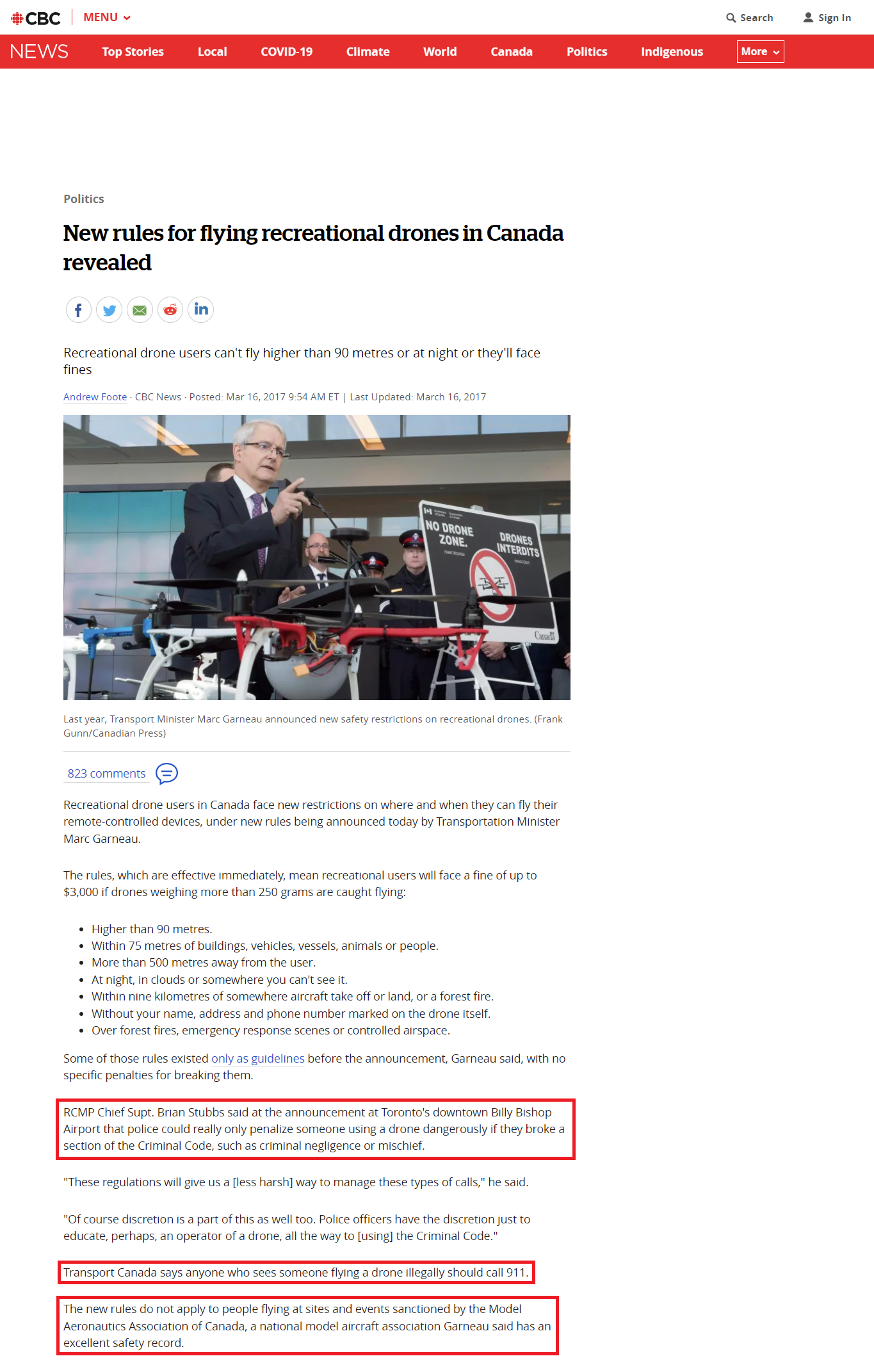
Require criminal charges for the illegal operation of recreational RPAS over people and buildings across Canada including at RC flying club sites.
Require industry standard distances from areas that involve the testing and storage of combustible materials used in recreational RPAS in order to contain the result of a fire or explosion at RC flying club sites and places recreational RPAS are operated.
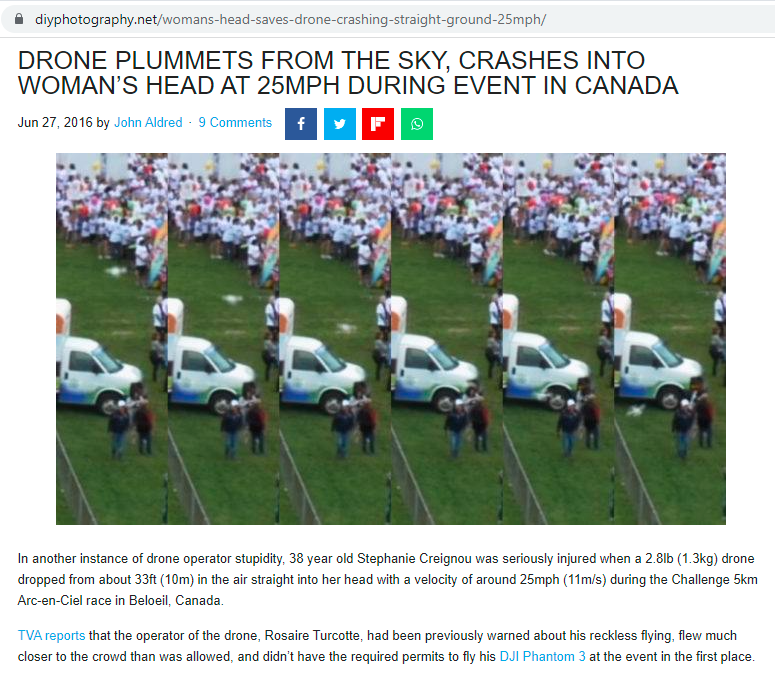
Require mandatory prison sentences for reckless operation of recreational RPAS that result in death or serious injury.
Require new safe distance requirements for recreational RPAS operation based on flyaway RPAS; speed, trajectory, altitude, weight, transmitter range and distance to residents such that the operation of RPAS is contained within the site operated.
Require a federal oversight body to oversee recreational RPAS enforcement independent of Transport Canada that can that can review enforcement actions and descisions.
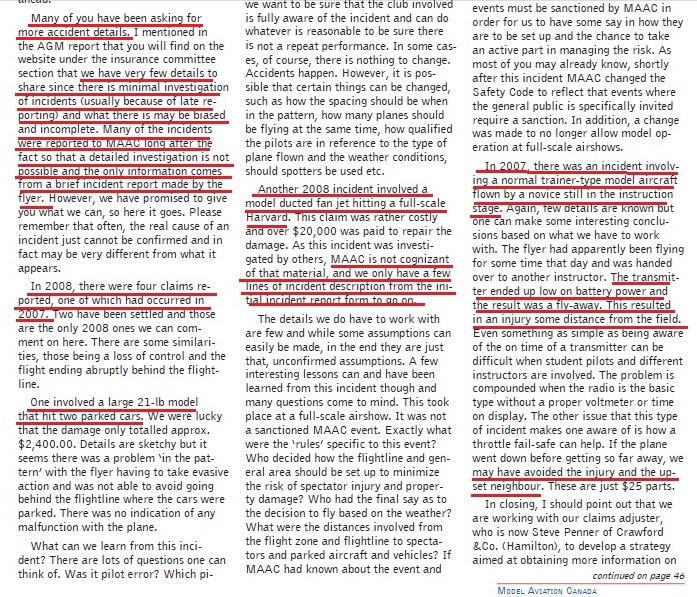
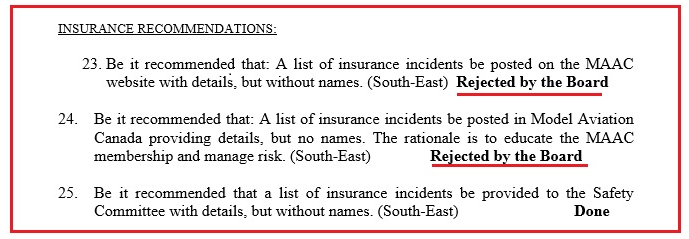
Require that all accidents and incidents of recreational RPAS operations are reported on a publically available national registry along with operator name, RPAS type and location of incident.
Require that all recreational RPAS operation be registered with specifications to include dimensions, manufacture, type, engine manufacture, dry weight and weight including engine and fuel.
Require that RC flying clubs post publically visible signage showing what is operated at the club site, the weight, speed, altitude, noise level, emergency procedures and contact Information. Additionally require that all recreational RC flying club sites have signage posted on roadways informing people of the danger of recreational RPAS flyways within a 2 km radius of the club site.
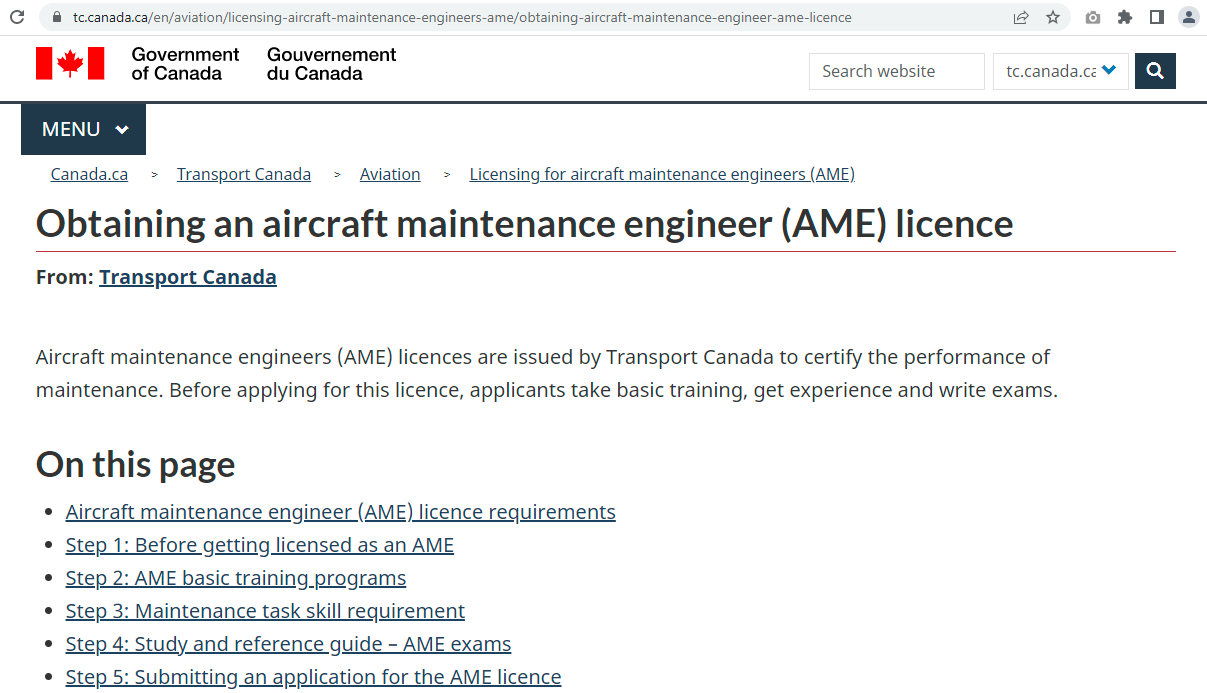
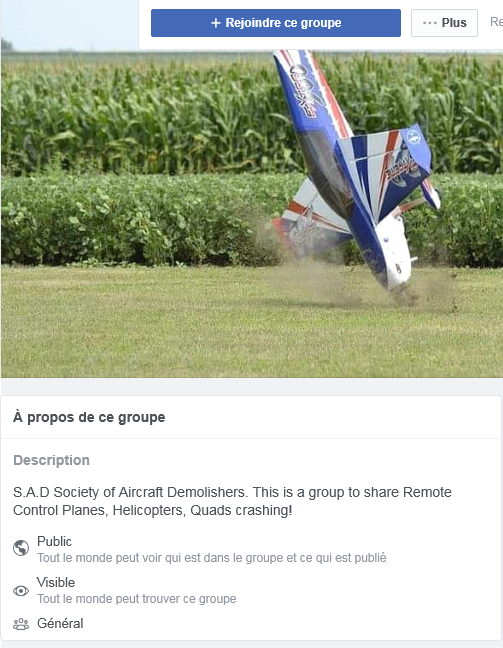
Require that all recreational RPAS be inspected by an independent government certified aircraft maintenance engineer (AME) to ensure professional quality control prior to every flight and ensure that only quality parts by a trusted manufacturer are used due to the high frequency of crashes.
Require that all recreational RPAS be operated in a controlled environment consistent with a real airport; where there are large distances from residents, there are government safety officials, verification of operator competencies and professionals who verify the safety and compliance of RPAS.
Require that all recreational RPAS operators complete a flight log in advance of each planned operation on a publically available declaration that identifies the operator, the RPAS description, the planned place of start, planned place of landing, planned flight time and note any deviations following operation.
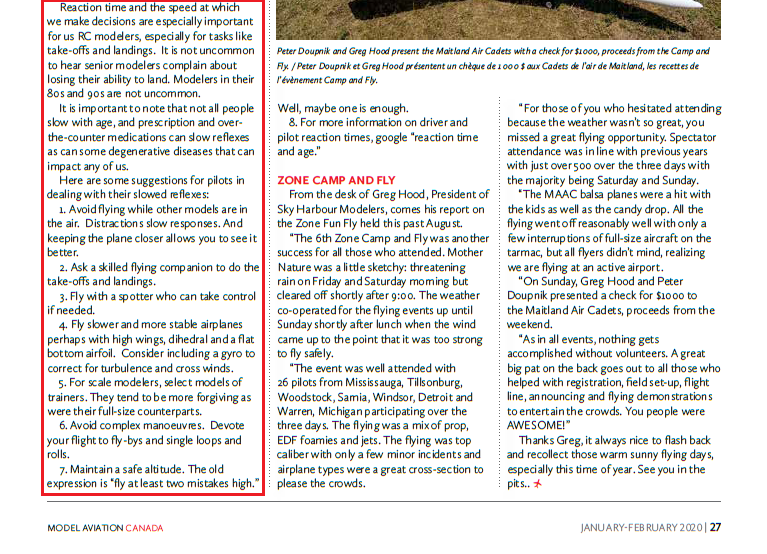
Prohibit the operation of recreational RPAS by people over 80 years of age.
Require that all recreational RPAS operators obtain a certificate from a medical professional proving that the applicant has passed physical testing; eyesight, hearing, dexterity, motor control every two years and that the certificate be on hand while operating recreational RPAS.
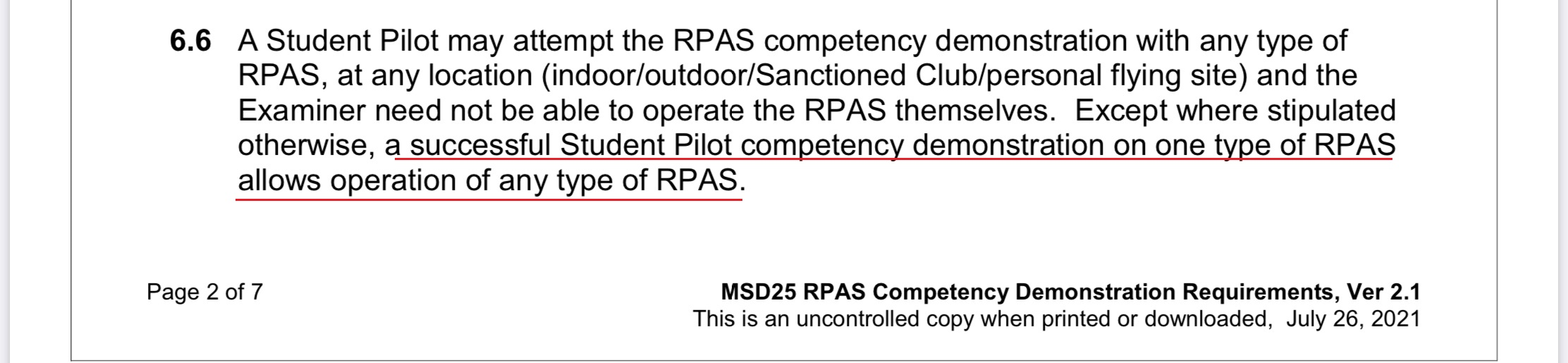
Require that all recreational RPAS operators pass standardized certified skill testing by an independent third party who does not have a conflict of interest with nor financially benefits from operators and that testing includes each type and size category of the recreational RPAS they operate and that recertification occur every 5 years.
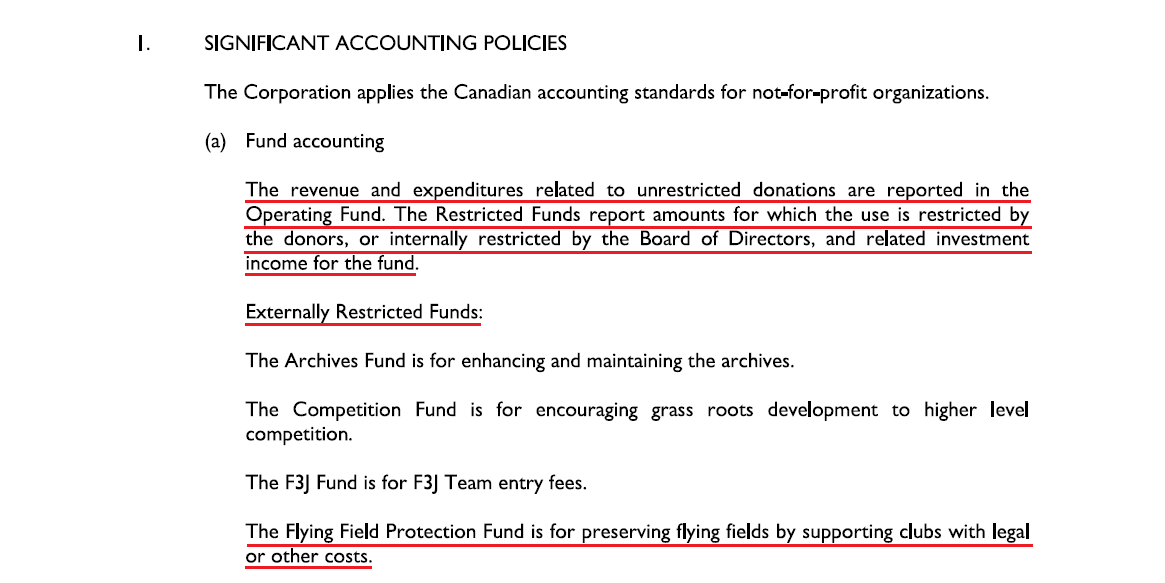
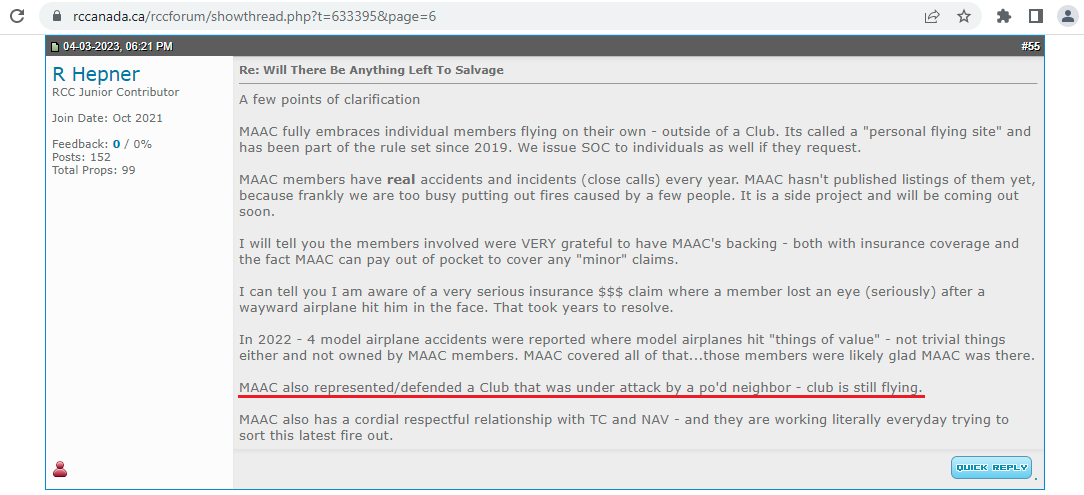
Prohibit RC flying associations and clubs from pooling money to sue neighbouring residents who they subject to abuse.
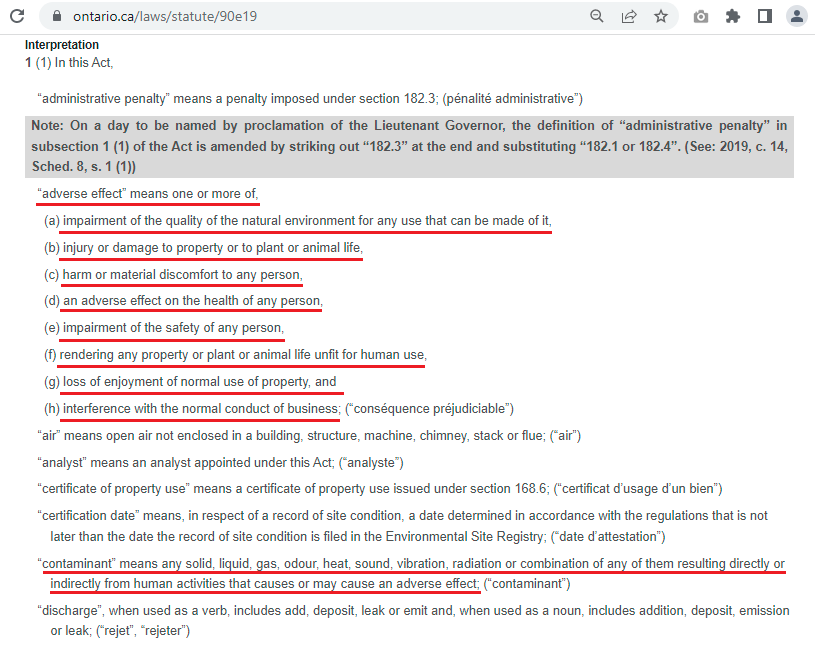
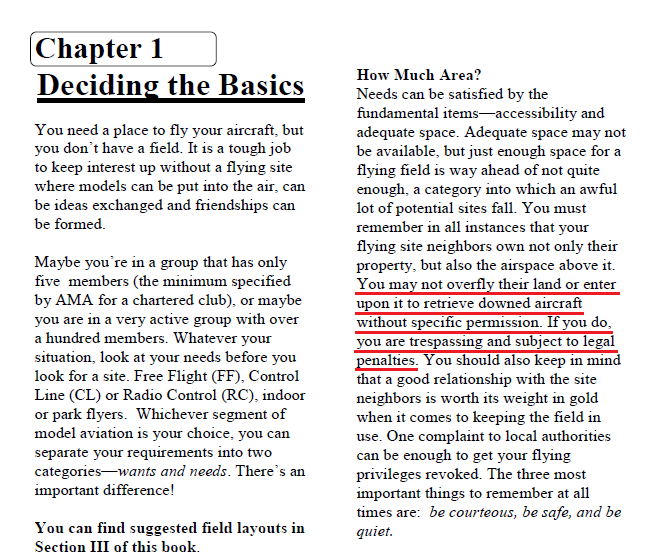
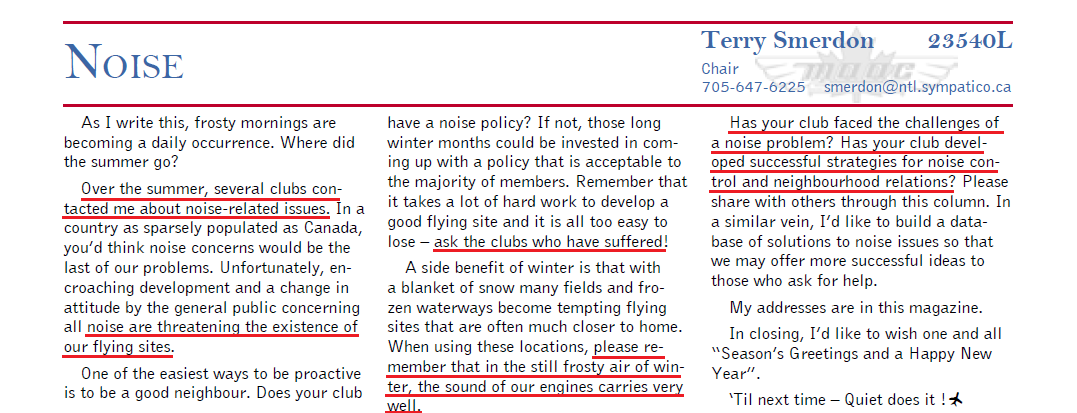
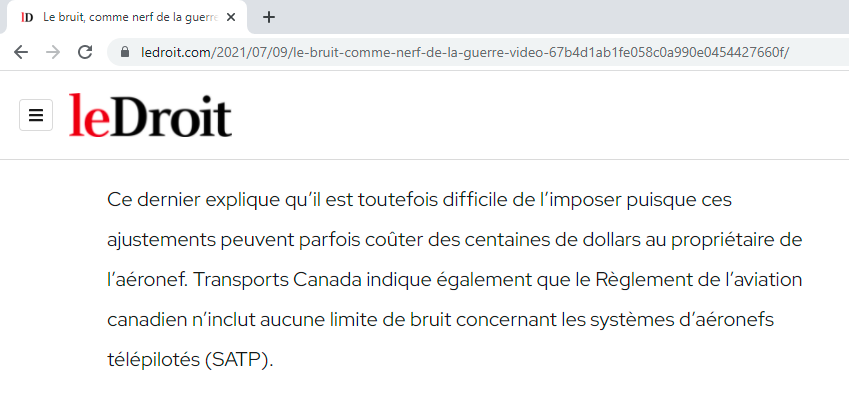
Require that RC flying clubs sites are regulated ensuring environmental contaminates are not expelled beyond the club site including noise, exhaust and danger; prohibit flying recreational RPAS over neighbouring property, prohibit the expulsion of exhaust onto neighbouring property and the noise from recreational RPAS which is very disturbing be contained within the site not being audible at the property line.
Require that recreational RPAS operators and crew are held ultimately responsible for reckless operation of RPAS as well as ensuring the airworthiness of RPAS as it is the operator's responsibility knowing the dangers.
Require that recreational RPAS operators, the RPAS venue, the RPAS builder, the RPAS manufacturer and RPAS retailer are held liable for harm resulting from RPAS operated.
Require transparency on all recreational RPAS lobbying and all third parties involved with RPAS investigations; disclosing roles in meetings and investigations, disclosing information shared with third parties, making public conclusions reached along with a Transport Canada file reference number. Furthermore make it mandatory that a record be kept of all participants requiring them to identify themselves with photo ID, along with any RPAS license and the number of RPAS registered.
Require Transport Canada enact RPAS laws that prioritize the protection of citizens over any financial gain.
Require that Transport Canada inspectors personally inspect all RC flying clubs, verify the recreational RPAS operator licenses, verify the RPAS operated at the site comply with the regulations and verify the flight logs on a monthly basis without notice, consistent with health and safety measures that affect public safety.
Update criminal extortion laws to specifically prohibit the use of recreational RPAS as a weapon consistent with the use firearms to intentionally harm families and drive them from their property; in order to gain land access or to financially profit.
Updated Privacy Laws to prohibit the operation of recreational RPAS over private property when no written consent is provided as RPAS are now equipped with cameras and FPV technology.
Updated Trespassing Laws to designate all airspace over Canadian property within a 2000 meter altitude as belonging to the land owner such that operating recreational RPAS over neighbouring property results in charges/fines in addition to criminal charges for mischief.
Require Environmental Protection Act (EPA) compliance, oversight and approval to prevent RC flying clubs from expelling contaminates onto neighbouring property.
Prohibit the operation of recreational RPAS over farmland used for agricultural consumption due to the contaminants used in these RPAS and the frequency of crashes.
Require that the operator of recreational RPAS does not operate alone in case the operator is incapacitated which could lead to uncontrolled operation.
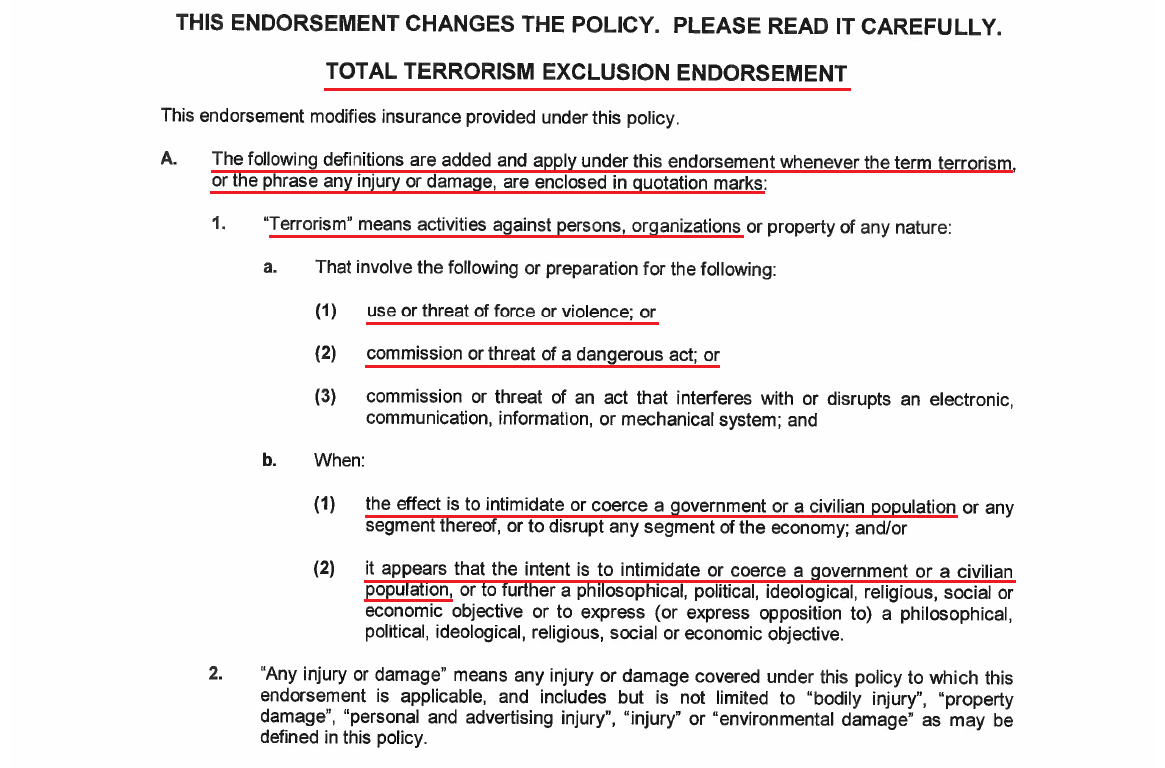
Update terrorism laws to protect the Canadians from recreational RPAS that is undetectable to air traffic control (ATC).
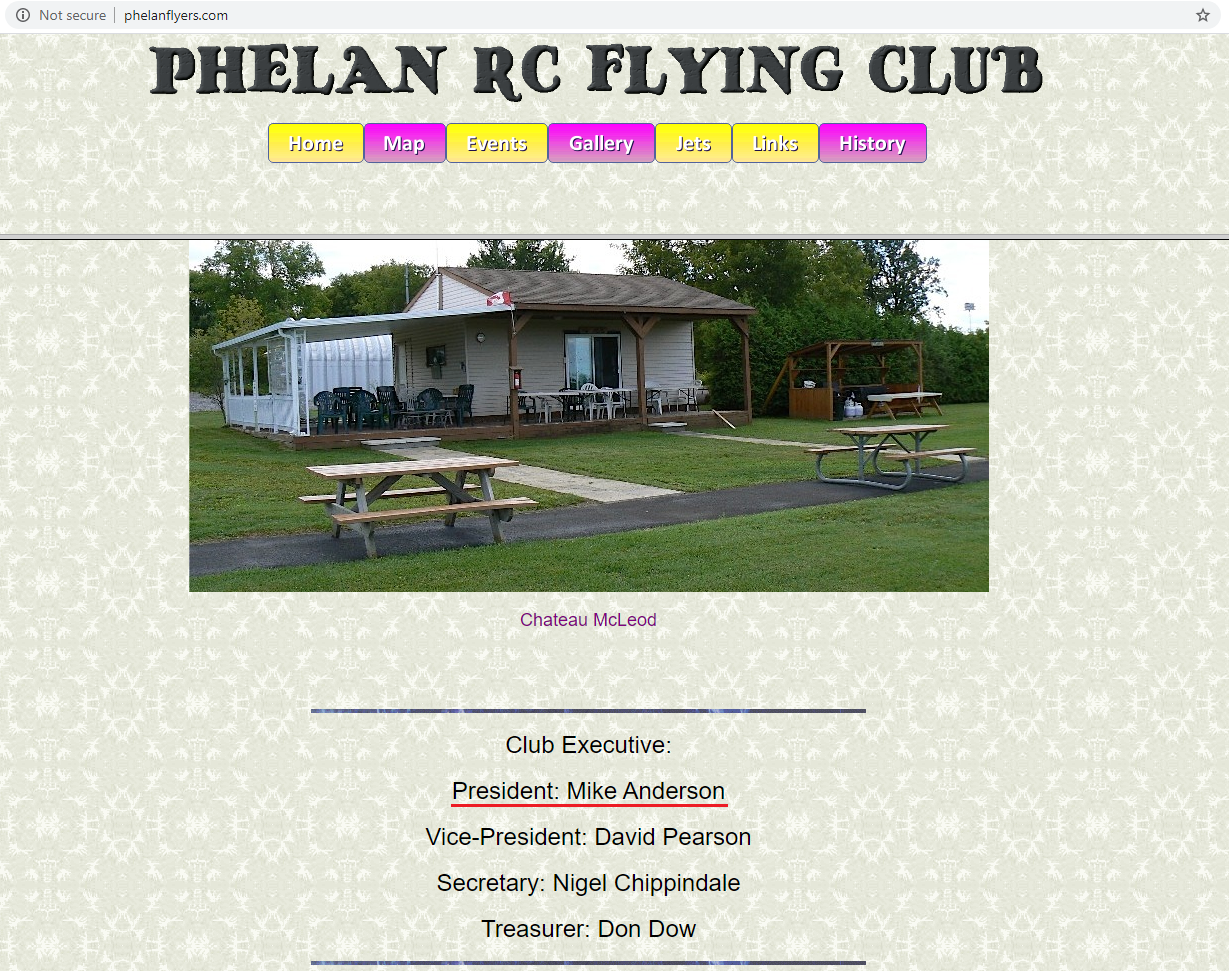
Require a rigorous screening process for the authorization of all RC flying club sites requiring direct approval by Transport Canada not MAAC executives with competing interests.
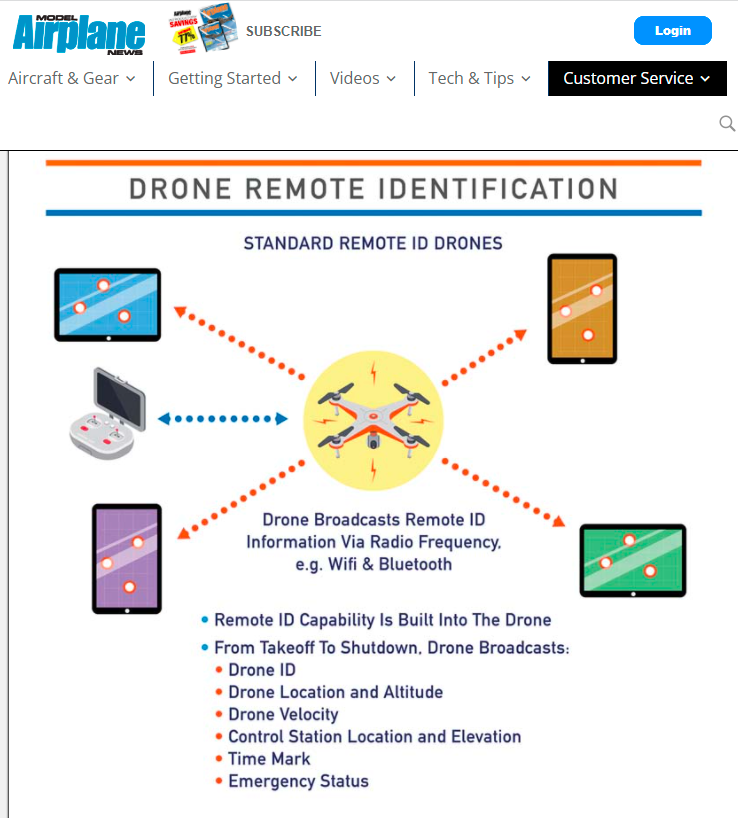
Require a wireless tracking system that identifies the RPAS owner to anyone from the general public on the ground, providing the owner name, phone number, license number, aircraft id, aircraft speed, GPS location and attitude such that compliance can be assessed and measured from a distance.
Require that all recreational RPAS crashes on neighbouring property and crashes outside of a designated flying zone be reported to police. Following a crash outside of the flying area make it illegal for the operator to leave the scene of the accident without first reporting to police and receiving authorization to leave such that authorities can assess if there are injuries or damages.
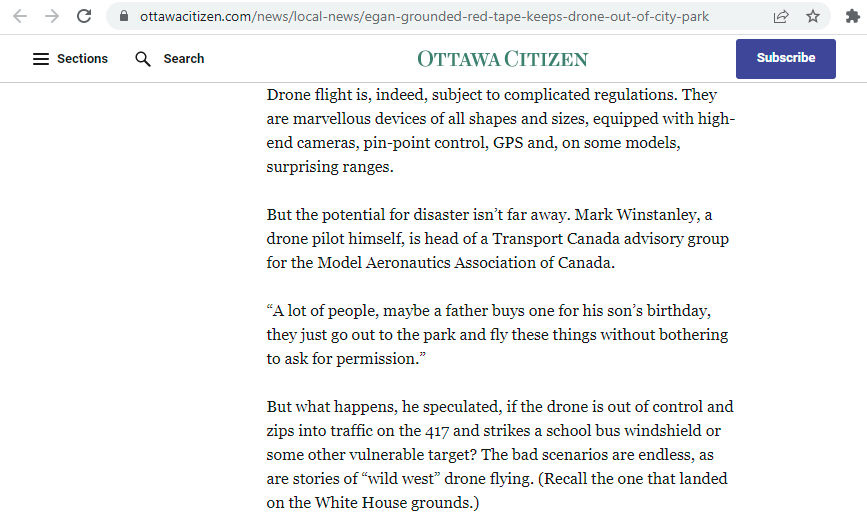
Prohibit the operation of recreational RPAS within 0.5 nautical miles (0.93km) of elementary schools, high schools and school bus pickup/drop-off locations.
Require criminal charges for the operation of recreational RPAS Beyond Visual Line Of Sight (BVLOS) especially using First Person View (FPV) technology where the RPAS is operated over neighbouring property or outside of a designated flying zone.
Require Health Canada authorization for the sanctioning of each individual RC flying club site and the obligation that Health Canada close RC flying club sites that impact the health and safety of residents. Additionally require Health Canada approval before a recreational RPAS runway is established.
Weak RPAS Laws and Lack of Enforcement Results in Harm to Canadian Families
When citizens subjected to violence feel that, "Taking The Law Into Your Own Hands" is necessary; there is a complete failure by authorities to protect Canadians.
Change is Needed
Self-enforcement has failed; strict regulation of the activity at government approved facilities is needed to stop the harm being done to Canadians and if that it is not possible for government to enforce the law than an outright ban against the operation of model aircraft is needed.
Disclaimer: Contents of this page are in no way a limitation on any rights or remedies that may otherwise be available or are being pursued. Contents and exhibits express the opinions of their authors and include comments by hobbyists that do not represent the opinions of Citizens Against Model Aircraft. Respect for Canadian laws, integrity of governance, impartiality of enforcement officials and upholding human rights is essential to our society.

 DOCUMENT: Transport Canada - Guidance Material for Operating Unmanned Air Vehicle Systems under an Exemption